Burger King Menu Nutrition: Healthy Choices for You
Eating healthy at fast-food chains can be challenging, but with the right information, you can make informed decisions that fit your lifestyle.
Understanding the nutritional value of Burger King’s offerings is key to a balanced diet. From breakfast to dinner, Burger King provides various options that cater to different dietary needs.
By exploring the available nutritional information, you can identify healthy options that align with your goals, whether you’re looking for low-calorie meals or high protein content.
Key Takeaways
- Explore Burger King’s nutritional information to make informed choices.
- Identify healthy options that fit your dietary needs.
- Balance your diet with low-calorie and high protein meals.
- Understand the nutritional value of Burger King’s menu items.
- Make healthier decisions at Burger King with the right information.
Understanding Burger King Menu Nutrition
Making informed choices at Burger King starts with understanding the nutritional content of their menu items. With a wide range of options available, it’s crucial to know how to access and interpret the nutritional information to make healthier choices.
How to Access Nutritional Information
Burger King provides nutritional information both online and in-store. On their website, you can find a comprehensive nutritional guide that lists the details for each menu item. In-store, you can request a nutritional guide or check the information displayed on menu boards and posters.
To make the most of this information, it’s helpful to plan ahead. Checking the nutritional content online before you visit can help you decide on your meal and make healthier choices.
Key Nutritional Metrics to Consider
When evaluating Burger King menu items, there are several key nutritional metrics to consider: calories, fat (including saturated and trans fats), sodium, and sugar content. Understanding these metrics can help you make informed decisions about your meal.
- Calories: Consider your daily caloric needs and choose items that fit within your budget.
- Fat Content: Be mindful of saturated and trans fats, which can impact heart health.
- Sodium: High sodium intake can be a concern for blood pressure; opt for lower sodium options when possible.
- Sugar: Some menu items, especially beverages and desserts, can be high in sugar; consume these in moderation.
Setting Healthy Eating Goals at Fast Food Restaurants
Setting healthy eating goals at fast-food restaurants like Burger King involves being mindful of your choices. Start by identifying your nutritional priorities, whether it’s reducing calorie intake or limiting certain nutrients. Then, use the nutritional information available to make choices that align with your goals.
By being informed and planning ahead, you can enjoy your favorite Burger King meals while maintaining a balanced diet.
Navigating Breakfast Options
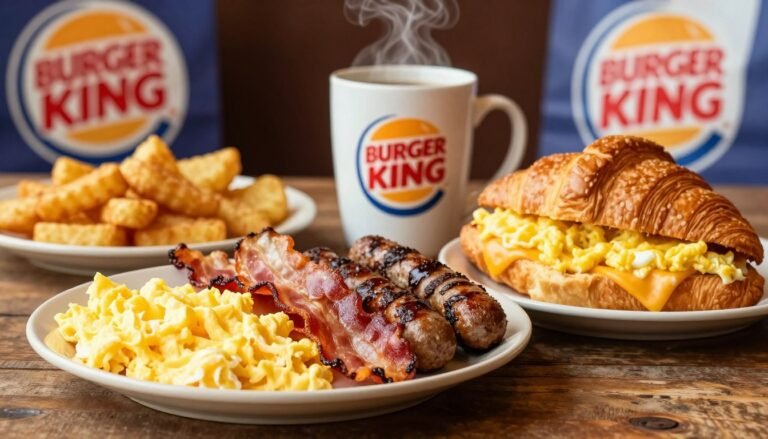
Breakfast at Burger King is more than just a meal; it’s an opportunity to make a healthy choice. With a variety of breakfast options available, it’s essential to understand the nutritional value of each item to make informed decisions.
Lowest Calorie Breakfast Items
For those watching their calorie intake, Burger King offers several breakfast items that are lower in calories. Some of the lowest calorie options include:
- The Plain Croissan’wich without cheese or meat, clocking in at approximately 230 calories.
- The Scrambled Egg & Cheese Croissan’wich without meat, at around 310 calories.
- Yogurt Parfait with granola, a refreshing and healthier choice at about 150 calories.
High Protein Breakfast Choices
For a protein-packed breakfast, consider the following Burger King menu items:
- The Bacon, Egg & Cheese Biscuit, offering about 34 grams of protein.
- The Sausage, Egg & Cheese Croissan’wich, with approximately 22 grams of protein.
- Ham, Egg & Cheese Biscuit, providing around 26 grams of protein.
Breakfast Items to Avoid
While Burger King offers healthier breakfast options, some items are high in calories, fat, and sodium. It’s best to limit or avoid:
- The Triple Bacon, Egg & Cheese Biscuit, which is high in saturated fat and sodium.
- French Toast Sticks, which are high in sugar and calories.
- Items with extra cheese or bacon, as they significantly increase calorie and fat content.
By choosing wisely from Burger King’s breakfast menu, you can enjoy a meal that aligns with your dietary goals. Whether you’re looking for low-calorie options or high protein to start your day, Burger King has a variety of choices to suit your needs.
Healthier Burger and Sandwich Selections
For those looking to enjoy a meal at Burger King without compromising on nutrition, the burgers and sandwiches menu offers several healthier alternatives. Understanding the nutritional differences between various options can help you make informed choices.
Comparing Burger Nutritional Values
When comparing the nutritional values of different burgers at Burger King, it’s essential to consider factors like calorie count, fat content, and sodium levels. The Impossible Whopper and the Grilled Chicken Sandwich are among the healthier options, with fewer calories and less fat compared to their counterparts.
| Burger | Calories | Fat (g) | Sodium (mg) |
|---|---|---|---|
| Impossible Whopper | 630 | 34 | 1040 |
| Grilled Chicken Sandwich | 380 | 4 | 1040 |
| Whopper | 640 | 37 | 1050 |
Customization Options to Reduce Calories
Customizing your burger or sandwich can significantly reduce its calorie count. Consider removing the mayonnaise or cheese, or opting for a smaller portion size. Swapping the bun for a lettuce wrap is another effective way to cut down on carbs and calories.
Plant-Based Alternatives
Burger King’s plant-based alternatives, such as the Impossible Whopper, offer a viable option for those looking to reduce their meat intake. These alternatives are not only lower in saturated fat but also provide a similar taste experience to their meat-based counterparts.
By making informed choices and customizing your meal, you can enjoy a satisfying and healthier burger or sandwich at Burger King.
Chicken Menu Items: Nutritional Breakdown
Chicken is a staple protein at Burger King, with numerous preparations that can fit into a balanced diet. The restaurant offers a variety of chicken menu items, including grilled and fried options, sandwiches, nuggets, and more. Understanding the nutritional differences between these choices can help you make informed decisions.
Grilled vs. Fried Chicken Options
When it comes to chicken, the cooking method significantly impacts its nutritional value. Grilled chicken tends to be lower in calories and fat compared to fried chicken. For instance, a grilled chicken sandwich typically contains fewer calories and less fat than its fried counterpart. However, it’s essential to check the specific nutrition facts for each item, as preparation methods and ingredients can vary.
On the other hand, fried chicken is often higher in calories, fat, and sodium due to the breading and frying process. While it may be more indulgent, it’s not necessarily off-limits for those looking to make healthier choices. Opting for modifications, such as removing the bun or sauce, can help reduce the calorie count.
Chicken Sandwiches Compared
Burger King offers several chicken sandwiches, each with its own nutritional profile. Comparing these sandwiches can help you identify the healthier options. For example, the grilled chicken sandwich generally has fewer calories and less fat than the crispy chicken sandwich. Checking the Burger King nutrition facts can provide detailed information on calories, fat, sodium, and protein content.
Nuggets and Other Chicken Offerings
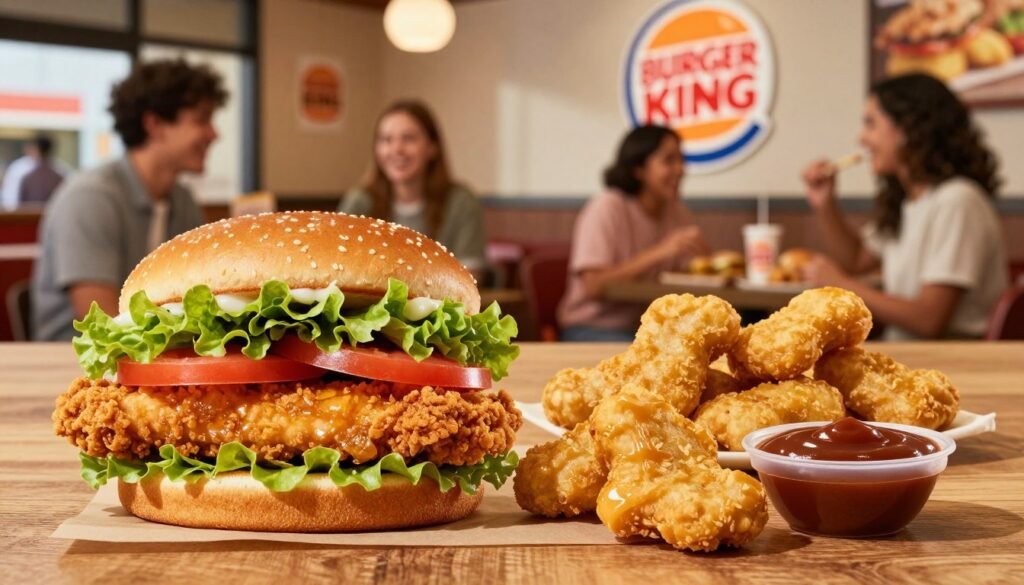
Chicken nuggets are a popular menu item at Burger King, but they can be high in calories, fat, and sodium, especially when consumed in large quantities or with dipping sauces. It’s crucial to be mindful of portion sizes and to consider the nutritional content of any accompanying sauces or sides. For a healthier option, consider the grilled chicken tenders or other grilled chicken offerings.
By being aware of the nutritional breakdown of Burger King’s chicken menu items, you can make choices that align with your dietary goals. Whether you prefer grilled or fried, sandwiches or nuggets, there’s a chicken option at Burger King that can fit into a balanced meal.
Complete Burger King Menu Nutrition Guide for Sides and Salads
When dining at Burger King, making informed choices about your sides and salads can significantly impact your meal’s nutritional value. While burgers and sandwiches often take center stage, the sides and salads you choose can either enhance or detract from the overall healthiness of your meal.
Healthiest Side Options
When it comes to sides, Burger King offers a variety of choices, some healthier than others. Opting for a side salad or a serving of apple slices can be a nutritious way to complement your meal. The side salad, for instance, is low in calories and rich in vitamins and minerals, making it a refreshing and healthy choice. It’s worth noting that being mindful of portion sizes is key to maintaining a balanced meal.
Salad Nutrition Facts
Burger King’s salads can be a nutritious option, packed with greens, vegetables, and proteins. The Garden Salad is a good source of fiber and vitamins, while adding grilled chicken can boost the protein content. However, it’s crucial to be aware of the nutritional impact of added toppings and dressings, as they can significantly alter the calorie and fat content of your salad.
Dressings and Toppings to Watch
While salads are generally a healthy choice, the dressings and toppings you add can greatly affect their nutritional value. Creamy dressings, for example, can be high in calories and fat. Opting for lighter dressings like vinaigrette or using them sparingly can help keep your salad nutritious. Similarly, toppings such as crispy bacon or croutons can add extra calories and sodium, so it’s best to use them in moderation.
As
“You are what you eat,”
goes the old adage. Making informed choices at Burger King, including selecting the right sides and salads, can contribute to a healthier dining experience.
Beverage Options and Their Nutritional Impact
When dining at Burger King, the beverage you choose can significantly impact the nutritional quality of your meal. Beverages can add a substantial amount of calories, sugar, and sodium to your meal, making it crucial to select options wisely.
Burger King offers a variety of drinks, ranging from soft drinks to coffee and tea, as well as healthier options like water and low-calorie beverages. Understanding the nutritional impact of these choices can help you make informed decisions.
Zero and Low-Calorie Drink Choices
For those watching their calorie intake, Burger King offers several zero and low-calorie drink options. These include diet sodas, unsweetened tea, and black coffee. Choosing these beverages can significantly reduce the calorie count of your meal.
Sugar Content in Popular Beverages
Many popular beverages at Burger King are high in sugar. For example, a regular soda can contain up to 39 grams of sugar. Being mindful of the sugar content in your drink can help you avoid excessive sugar intake.
Healthier Alternatives to Sugary Drinks
Opting for healthier alternatives like water, unsweetened tea, or diet sodas can reduce your sugar intake. Additionally, Burger King offers low-calorie flavored waters and seltzer options that can be a refreshing and healthier choice.
| Beverage | Calories | Sugar Content (g) |
|---|---|---|
| Coca-Cola | 140 | 39 |
| Diet Coke | 0 | 0 |
| Unsweetened Tea | 0 | 0 |
By choosing wisely from Burger King’s beverage options, you can enjoy a more balanced meal that aligns with your dietary goals.
Kids Menu: Balanced Choices for Children
Burger King’s kids menu is designed to provide a range of meal options that are both appealing to children and can be balanced in terms of nutrition. Parents can make informed choices by understanding the nutritional content of these meals.
Nutritional Analysis of Kids Meals
The kids meals at Burger King typically include a main item, side, and drink. Analyzing the nutritional content helps in making healthier choices.
| Meal Component | Calories | Fat (g) | Sodium (mg) |
|---|---|---|---|
| Hamburger | 310 | 12 | 520 |
| Chicken Tenders (3 pieces) | 190 | 10 | 330 |
| Apple Slices | 70 | 0 | 0 |
| Low-Fat Vanilla Shake | 170 | 2.5 | 150 |
Creating Healthier Kids Meal Combinations
To create a healthier meal, parents can opt for grilled chicken tenders instead of fried, choose apple slices as a side, and select a low-fat drink.
“Making small changes to your child’s meal can significantly impact their overall nutrition.”
By choosing wisely from Burger King’s kids menu, parents can ensure their children enjoy balanced and nutritious meals.
Special Dietary Considerations at Burger King
For individuals with specific dietary requirements, Burger King offers a range of options. The fast-food chain understands the importance of catering to diverse dietary needs, ensuring that all customers can enjoy their meals.
Low-Carb Options
Burger King’s menu includes several low-carb options. The Impossible Whopper without the bun is a popular choice, containing only 0g of carbs from the patty itself. Additionally, salads without croutons and high-carb dressings can be a nutritious alternative. For a more filling meal, consider ordering a grilled chicken sandwich without the bun.
Gluten-Sensitive Choices
For those with gluten sensitivity, Burger King provides some gluten-free options. The grilled chicken and beef burgers can be adapted to be gluten-free by removing the bun. However, it’s essential to note that cross-contamination can occur. Burger King’s salads are another gluten-free choice, but be cautious with the dressings.
Vegetarian and Vegan Possibilities
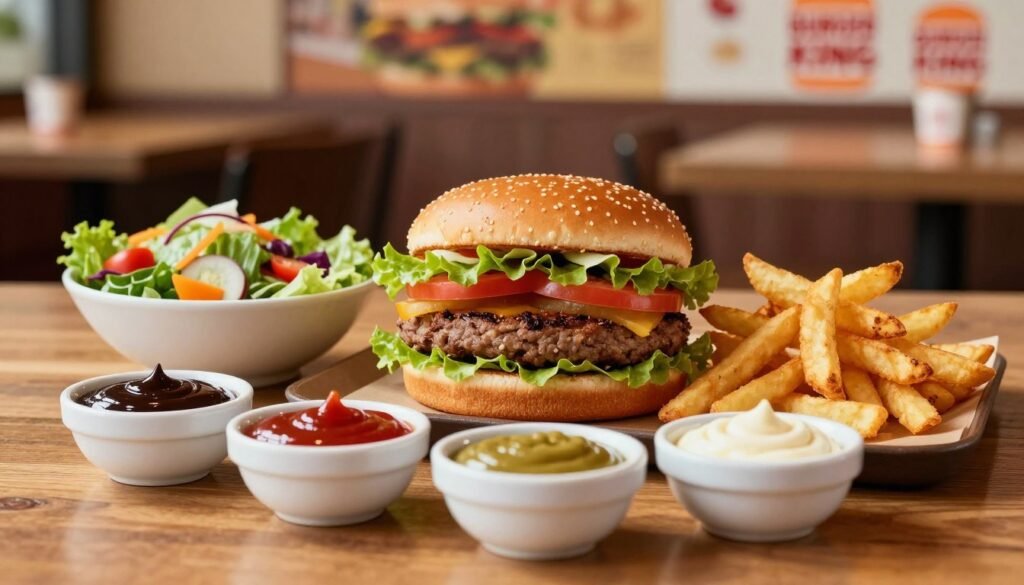
Burger King has introduced several vegetarian and vegan options. The Impossible Whopper is a vegan-friendly choice, featuring a plant-based patty. Other options include salads with vegan dressings and sides like apple slices or fries cooked in vegetable oil. It’s crucial to inform the staff about your dietary preferences to ensure your meal is prepared correctly.
Lower Sodium Selections
For those monitoring their sodium intake, Burger King offers lower sodium alternatives. Grilled chicken items tend to have less sodium than their fried counterparts. Choosing unsalted fries and being mindful of sauces and dressings can also help reduce sodium intake. The Side Salad with a light vinaigrette is another lower sodium option.
By being aware of these options and customizing your meal, you can enjoy a satisfying dining experience at Burger King that aligns with your dietary needs.
Conclusion: Making Informed Choices at Burger King
Making informed choices at Burger King is easier when you understand the nutritional information available for their menu items. By navigating the menu wisely and selecting healthier options, you can enjoy a meal that fits your dietary goals.
The Burger King menu nutrition guide provides valuable insights into the nutritional content of their offerings, from breakfast items to burgers and sandwiches, and from chicken menu items to sides and salads. With this information, you can make smart choices that align with your health and wellness objectives.
Whether you’re looking for Burger King healthy options or simply want to make more informed decisions, accessing Burger King nutritional information is key. By doing so, you can enjoy your favorite meals while maintaining a balanced lifestyle.